Erarta Museum of Contemporary Art presented an exhibition by the celebrated American photographer Stephen Wilkes who creates strikingly realistic images in which space and time can literally be observed in minute detail
-
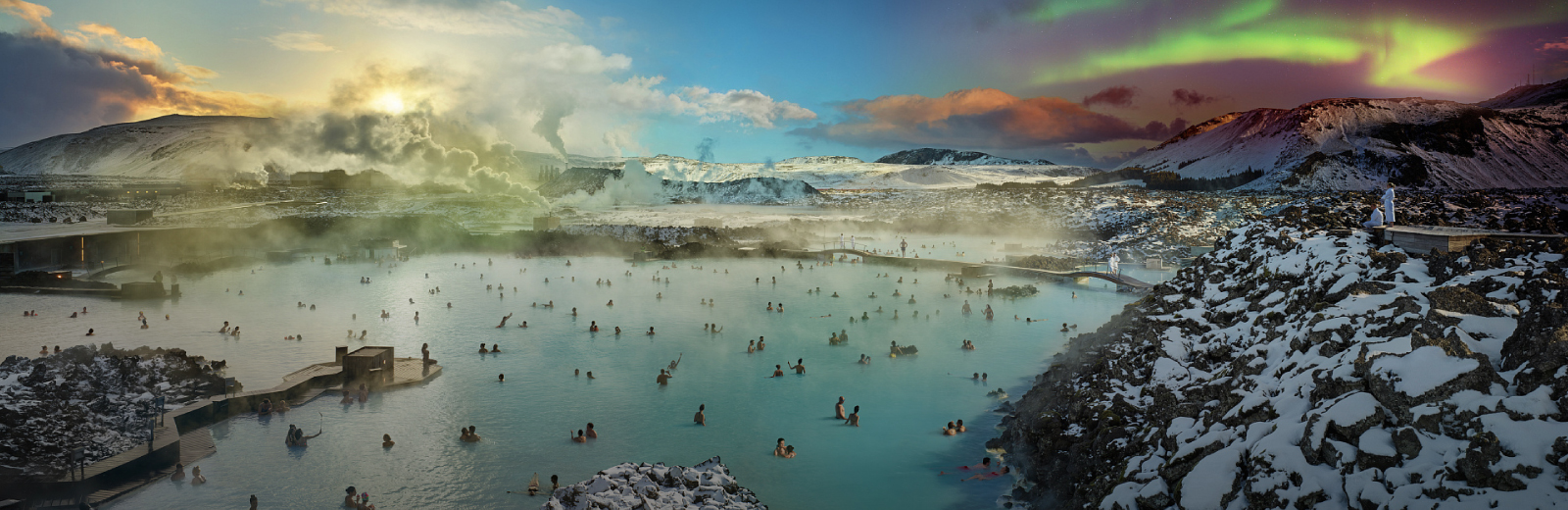
Nature, architecture, and art photography seamlessly fused into large-scale panoramas of day transitioning into night
-
A crane or a cherry picker, about 24 hours high in the air, and many days of editing: this is how thousands of captured ‘magical moments’ turn into mind-blowing images
-
A photographer who has contributed to The New York Times Magazine, National Geographic, Sports Illustrated, Vanity Fair, and Time and shot advertising campaigns for Rolex, Apple, and Netflix, among others
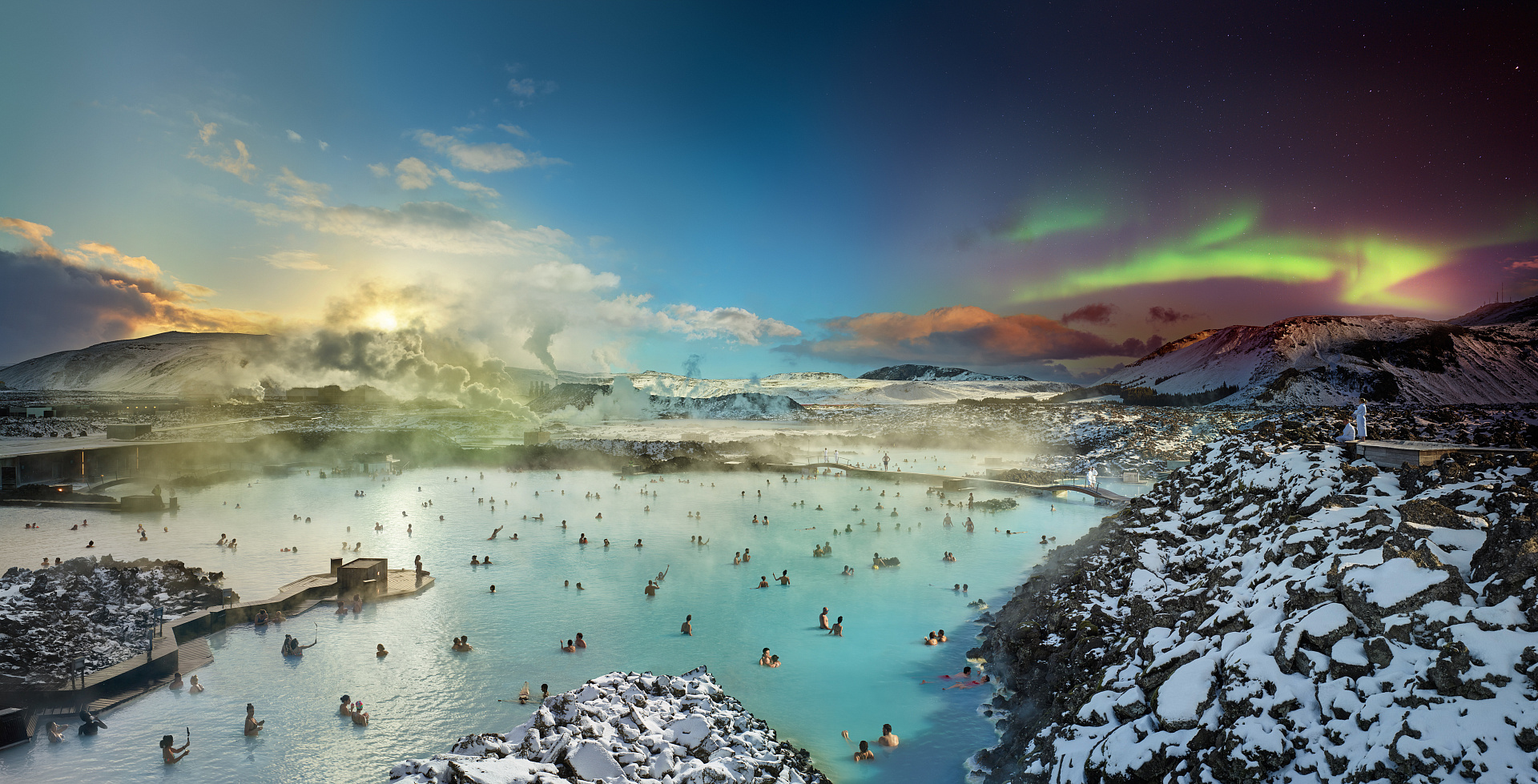
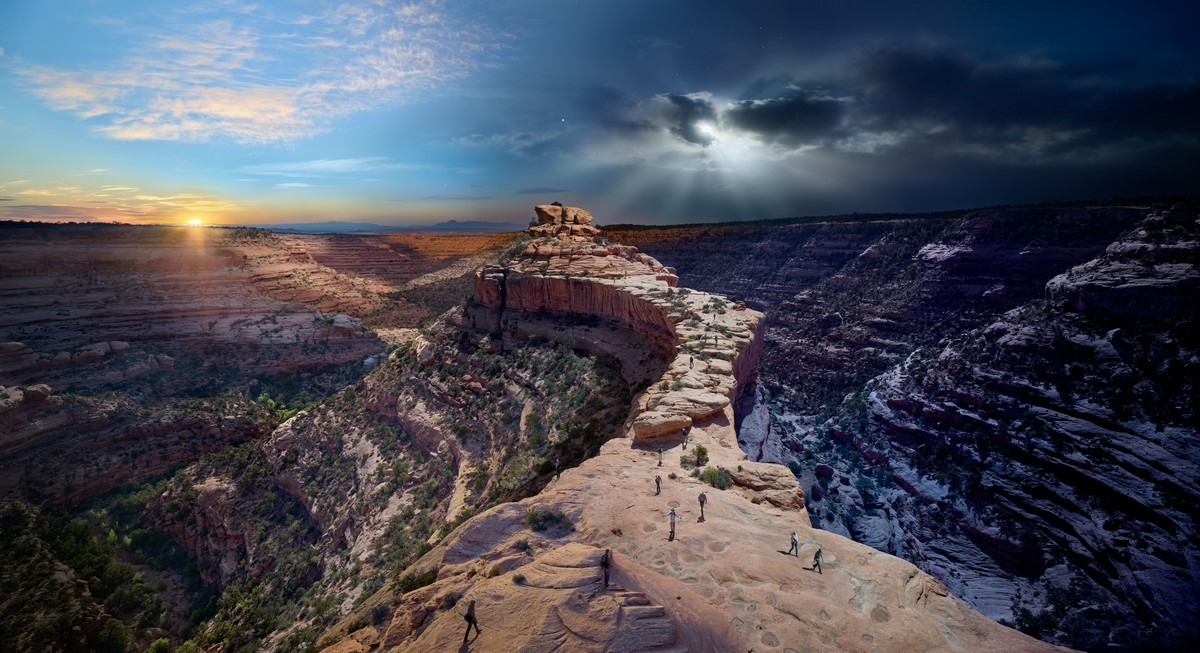
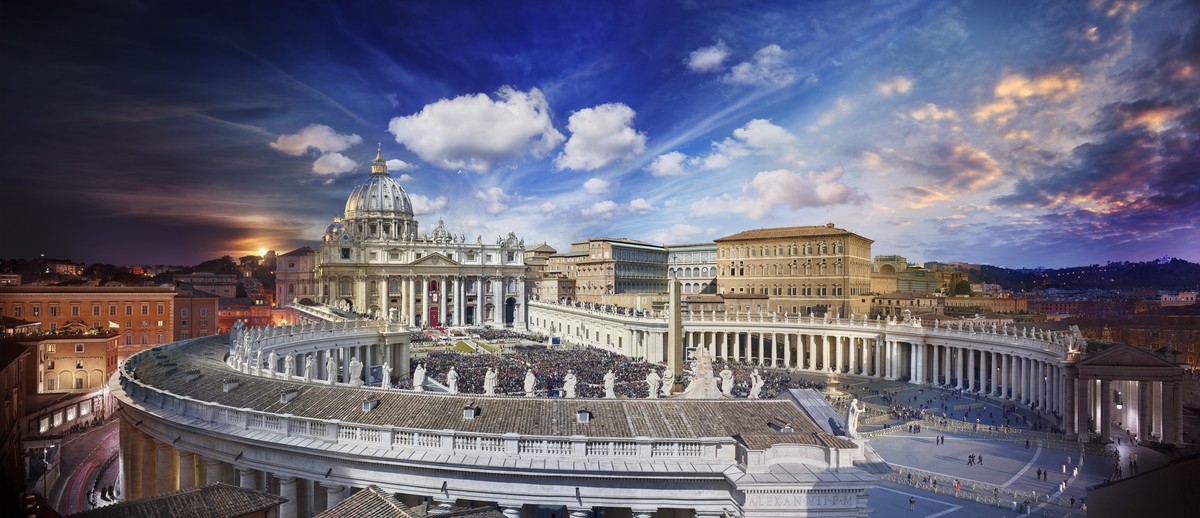
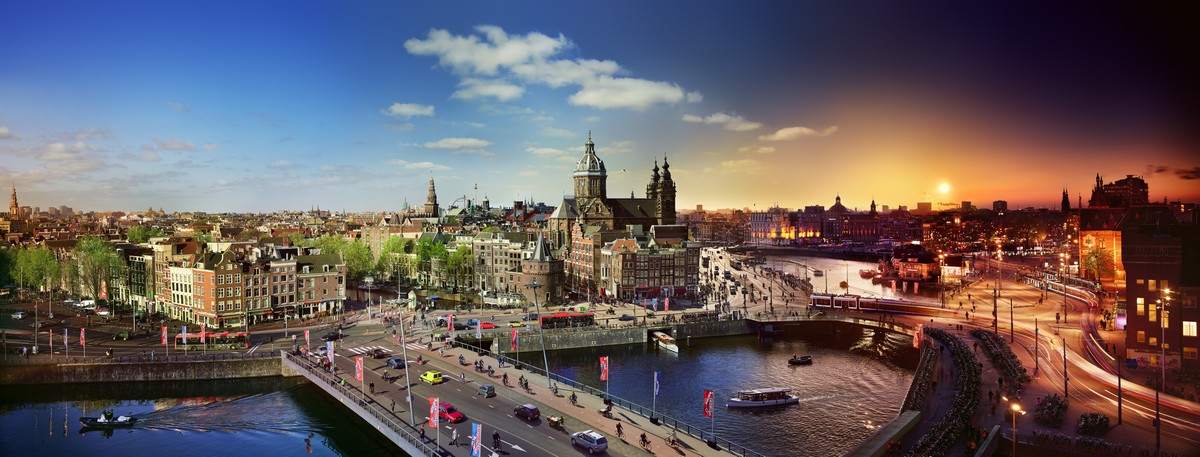
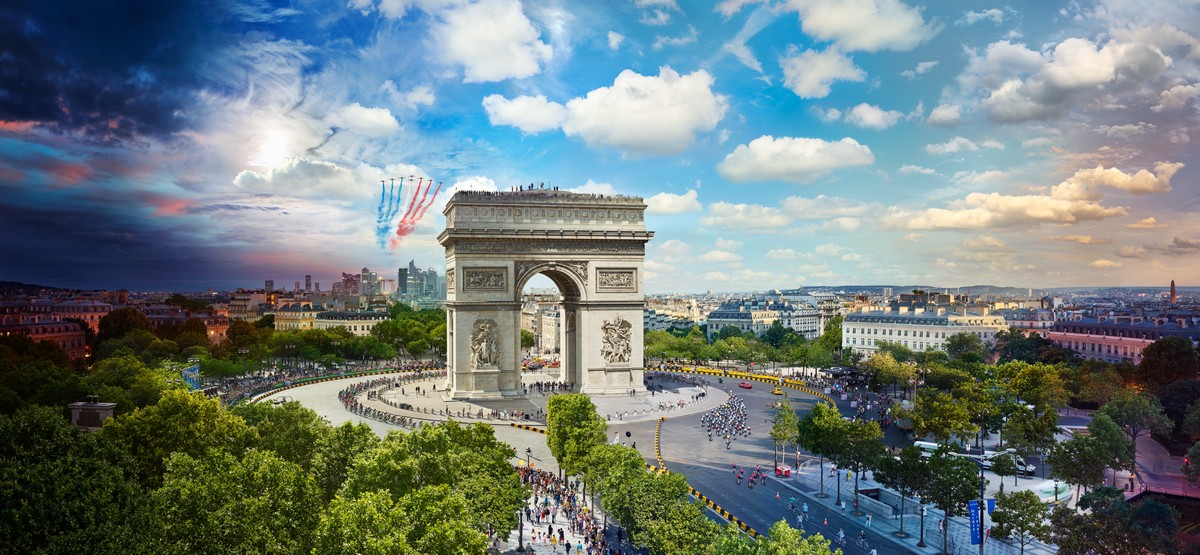
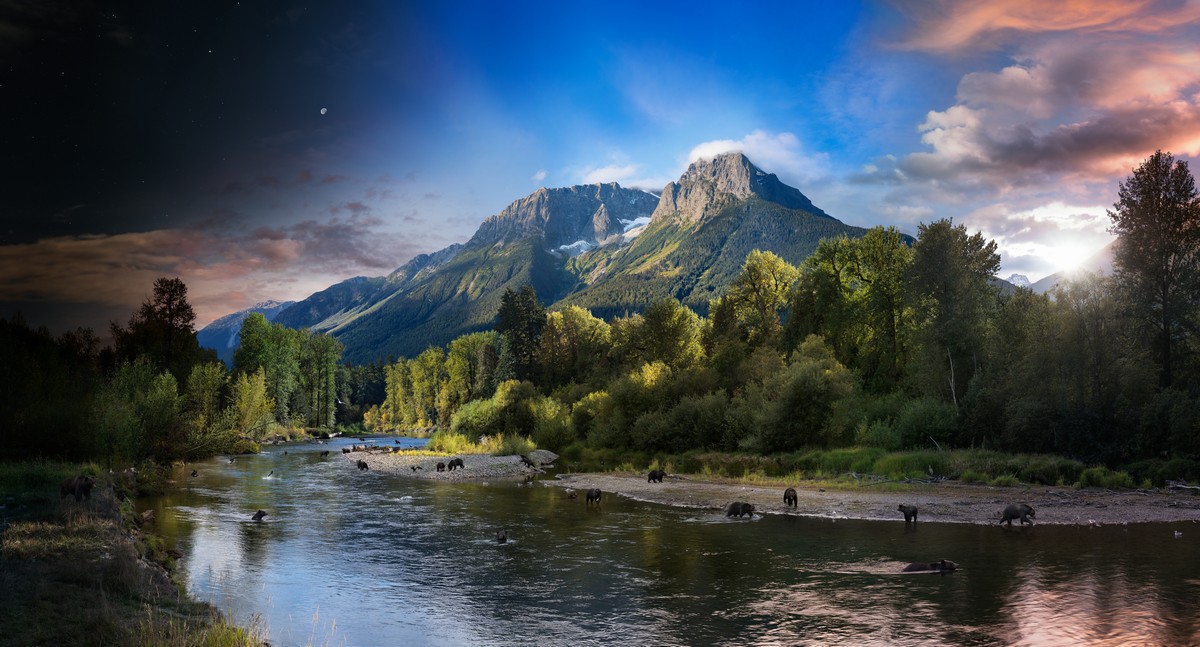
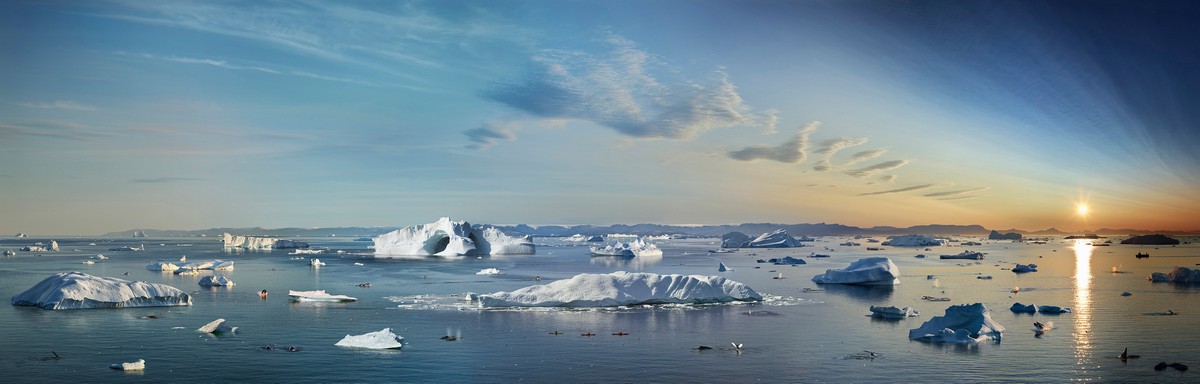
Since opening his studio in New York City in 1983, Stephen Wilkes’s artistic voice has seen profound shifts, culminating in him working at the intersection of nature, documentary, landscape and fine art photography. In addition to these, he has also worked within the editorial and commercial space, and it was a specific commission for the well-known film maker Baz Luhrmann that started his journey towards creating a brand new methodology, which he calls ‘Day and Night,’ as shown throughout this exhibition.
In 1996, LIFE magazine commissioned Wilkes to create a panoramic photograph of the cast and crew of Luhrmann’s film Romeo + Juliet, as based on the Shakespearean play. However, due to the fact that the set was square, in addition to the technological constraints of that time, the only way he could achieve this was to create a collage of 250 single images. When he asked Leo DiCaprio and Claire Danes to pose kissing, he saw that their kiss was reflected in the mirror facing them, which is what one of the images captured. Upon returning to his studio, Wilkes hand glued all those photographs together and realised that he managed to capture not just one second of a scene typical of photography, but rather several hours. This concept stayed with the artist for many years, until digital photography evolved to the level where an entire day, if not longer, allows itself to be captured in a single image.
The Day to Night project the visitor is able to see in this exhibition actually began in 2009 and the technique used by the artist to capture an entire day of a scene in one image is incredibly disciplined and deliberate. Once Wilkes has chosen the landscape that he wants to capture, the artist hires a crane or a cherry picker and with the right local governmental permissions, he chooses the vantage point and stations himself 15 m high in the air for anywhere between 15 and 30 hours. There is a fixed camera angle with which Wilkes takes continuous photographs of the scenery before him. Typically, the artist collects over a thousand of what he calls ‘magical moments’ and once the shoot is over, he carefully edits each image into a score of individual frames which are then digitally sown together to create the master plate or the final work of art. The process of stitching together the digital imagery of one scene takes several months to complete. ‘Day to Night is about all the things, it’s like a compilation of all the things I love about the medium of photography. It’s about landscape, it’s about street photography, it’s about colour, it’s about architecture, perspective, scale – and, especially, history.’
History is something that the artist continuously explores within his body of work, such as through his previous series focusing upon the abandoned medical wards where immigrants were detained coming into the US via Ellis Island. Almost twelve million immigrants passed through US immigration at Ellis Island between 1892 and 1954 and Wilkes’s project there actually helped secure 6 million US dollars for the restoration of the dilapidated complexes. From this, Wilkes was asked to photograph the historical moment of President Barak Obama’s inauguration in Washington DC in 2013. Here, looking closely at the large screens which typically show close ups of the president and the event, one can see the time passing throughout the ceremony with: Michelle waiting with the children; the president greeting the crowd; taking his oath and speaking to the people. As Wilkes was stationed in a 50 foot scissor lift, it was not very stable and hence he had to physically tape his feet to the lift before taking a single photo.
The artist’s passion for history has also taken him to places like Venice in 2015 (shown in this exhibition) for the Regata Storica, which is a historical re-enactment of a regatta that started in 1489 when the island of Cyprus was donated to Venice. Originally regattas were either races between boatmen and gondoliers or regate grandi (organized for special religious or civic occasions). The marine procession is tightly regulated and showcases the original maritime republics of Italy or the Papal States: Pisa, Genoa and Venice. Here, ancient characters and various sub-regions of Italy are represented in the water pageant. For this work, the artist had to place himself high up over the Grand Canal near the Ponte dell’Accademia with the Basilica Santa Maria della Salute visible in the background.
Nature and landscape photography have also been an important concept within which Wilkes explored his Day to Night series, with several such pieces present within this exhibition, such as The Great July Melt, Greenland (2019); Grizzly Bears, British Columbia (2018); Tulips, Bergen (2016); Flamingos, Kenya (2017); and Serengeti National Park, Tanzania (2015), amongst others. For the latter, getting to experience the African safari in the intimate way that he did was particularly special for the artist. Wilkes chose to photograph in the middle of the Seronera, near a settlement as opposed to within a reserve. His intention was always to capture or at least attempt to capture the peak migration period. Strategically he placed himself in a sealed crocodile blind for 26 hours, over 5 metres high up in the air near a watering hole. As there was a five week drought, Wilkes concluded that all the animals would be drawn to the water source in front of him and the result as shown by this photograph was inevitably, Biblical. Although typically competing and dominating species out in the savannah (such as lions and zebras) gathered at the watering hole, all animals peacefully shared the scarce resource in front of them. Despite being in a very small space, no aggressive attacks or attempts to capture and subdue another species occurred, as shown by this photograph. The artist noted that: ‘The animals never even grunted at each other. They seem to understand something that we humans don’t. That this precious resource called water is something we all have to share.’ This notion was perfectly captured by the artist in this work and was made possible specifically because of the format of this series. Hence, Day to Night ‘is really a new way of seeing, compressing time, exploring the space-time continuum within a photograph.’
The exhibition is curated by Dasha Vass
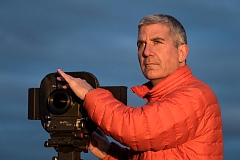
One of the most established contemporary American artists working today, Stephen Wilkes was born in 1957 in New York and received his Bachelor of Science in photography from Syracuse University Newhouse School of Public Communications with a minor in business management from the Whitman School of Management in 1980.
Although he started out as a documentary and nature photographer working with the prestigious National Geographic, Wilkes has since expanded his practice across various disciplines within photography such as architectural, historical and fine art.
The artist’s extensive awards and honours include: Photographer of the Year from Adweek Magazine 1992; Alfred Eisenstaedt Award for Magazine Photography 2000; Lucie Award Fine Art Photographer of the Year 2004; Time Magazine Top 10 Photographs of 2012; Sony World Photography Professional Award 2012; Adobe Breakthrough Photography Award 2012; and Prix Pictet, Consumption 2014. Additionally, Wilkes serves on the board of numerous prestigious institutions such as the S. I. Newhouse School of Communications; Save Ellis Island Board of Directors and the Goldring Arts Journalism Board.
In addition to his fine art photography series, Wilkes continues to shoot advertising campaigns for the world’s leading agencies and corporations, including: Rolex, Apple, Netflix, Gallup, SAP, IBM, Capital One, Johnson & Johnson, DHL, American Express, Nike, Sony, Verizon, AT&T, OppenheimerFunds, Zillow and Honda.
His photographs are included in the collections of the Houston Museum of Fine Arts, Dow Jones Collection, Museum of the City of New York, The Historic New Orleans Collection, 9/11 Memorial & Museum, Fenimore Art Museum, George Eastman Museum and James A. Michener Art Museum. Additionally, his works can be found in the Carl & Marilynn Thoma Art Foundation, Jewish Museum of New York, The Library of Congress, Snite Museum of Art, U.S. Department of State and numerous private collections. His editorial work has appeared in and on the covers of leading publications such as The New York Times Magazine, National Geographic, Sports Illustrated, Vanity Fair, The New Yorker, Time, Fortune, Travel + Leisure, and Condé Nast Traveler magazine, amongst others.
Wilkes, who lives and maintains his studio in Westport, Connecticut, is represented by a number of galleries, such as Holden Luntz Gallery, Palm Beach, Robert Klein Gallery, Boston, and Monroe Gallery of Photography, Santa Fe, in the US; The PhotoGallery in Halmstad, Sweden, and ARTITLEDcontemporary in Herpen, the Netherlands.
| Supported by: |

|