Exhibition of video installations under the Multivision XIV International Festival of Animation Arts
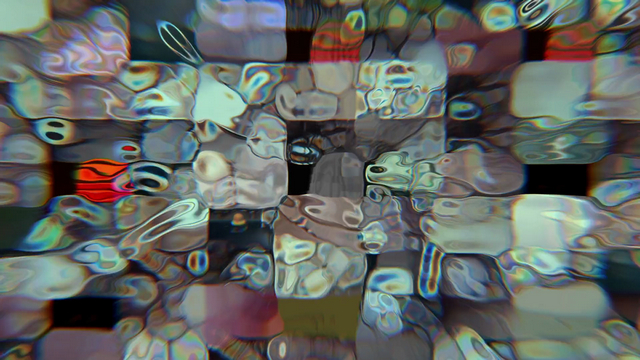
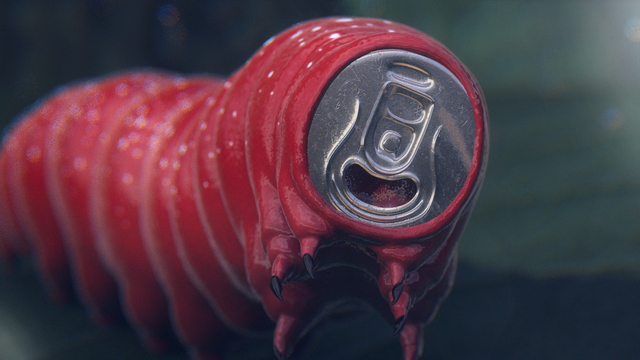
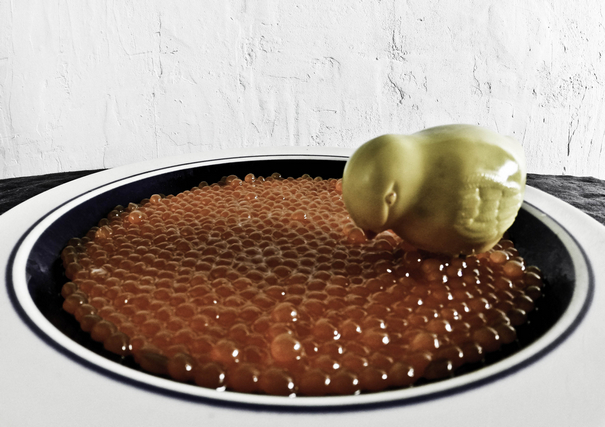
Multivision Festival continues to study animation as visual art. It’s been 6 years since the festival has been featuring the “The Best Video Installation” nomination. Animations which are closer to a living painting, sculpture, or scenery “in motion”, rather than to a movie, are selected for the competition in this nomination. The finalists — 13 video pieces from around the world — as well as specially created installations, will be presented at the exhibition in Erarta.
The exhibition explores how contemporary digital and video arts reflect nature: the impact of the specifics of animation as a genre on depicting of nature, the current transformation of animalistic art and the whole attitude to nature under the influence of the progress in human values and the struggle for environment protection and animal rights nowadays, development of the concept of animal in art in the era of social networking.
Inspired by the development of technologies and their infusion into art in XXI century, contemporary artists create a new Rebis depicted in the piece of the Italian artist Alessandro Аmaducci. This new Rebis made of flesh and digits becomes an inception to creation of fantastic worlds populated by bizarre Flora and Fauna that we can see in the pieces “Branded Dreams” by Ton Meijdam, Thom Snels and Béla Zsigmond (Netherlands) and “POPS”, Shiro Ichige (Japan).
Modern alchemists of digital art derive quintessence of the living world that allows them to see abstraction of the rabbit hole, as in the new work by the French video artist Boris Labbé "Any Road” or a trace of a sparrow flying as in the work by the American artist Steve Socki “Sparrow Duet”. The work by Andrei Sikorsky “Fish Day” breathes life into the rubbish collected on the sea coast, creating fish-golems that are observing the process of their creation.
Unlimited creative freedom provided by development of technology leads artists to understanding of responsibility for their creations and awareness of their fragile existence in the wild world. The man attentively looks into the animal and sees quite obvious similarities even with a monster, which lived four million years ago, as it is shown in the work “Lucy” by the Dutch artist Evert de Beijer. And if the mankind forgets this responsibility, the world will be inherited by new monsters as wild dogs inherited the abandoned suburbs in the work “Peripheria” by David Coquard-Dassault (France).
But the situation is not that sad: the animal rights movement has led to the possibility of recognizing some animals “non-human persons”. The precedent took place in India, where the government defined so dolphins. As the movement for the attitude to animals is developing on the Internet, new trends come out.
The Internet created its own Nature 2.0 and Society 2.0. Rules of the virtual world may differ dramatically from the rules of real one. Cats are not just animals there — they have rich personalities and speak with human voices of their humble assistants known in the profane offline world as their “owners”.
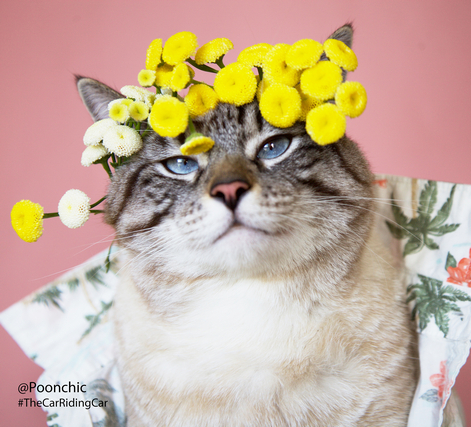
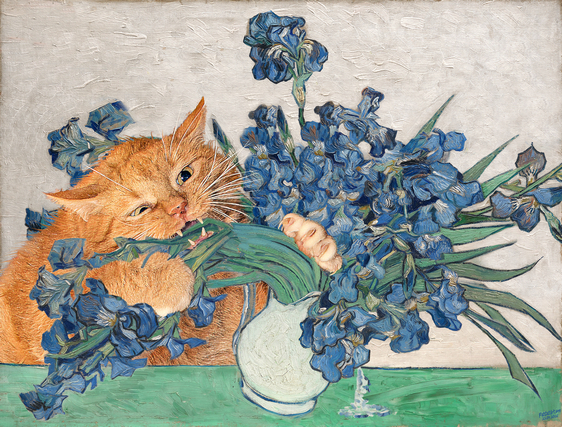
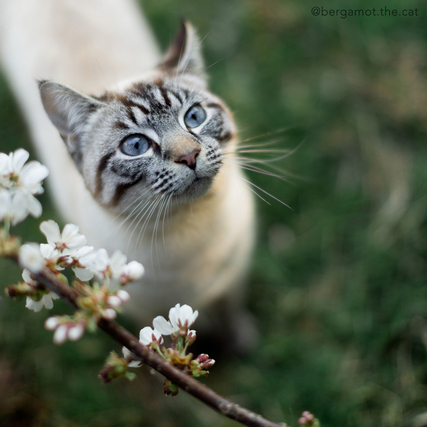
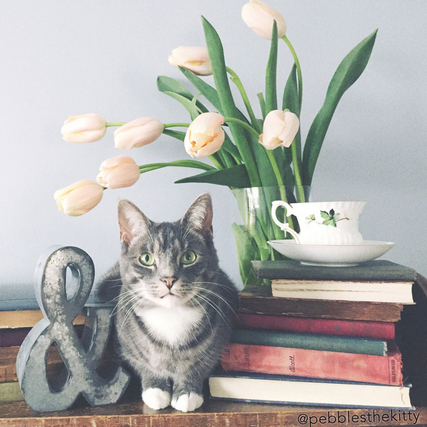
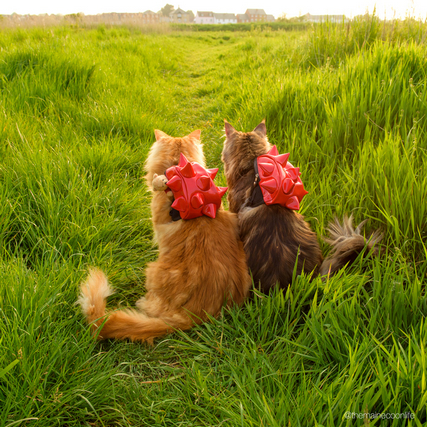
Contemporary art cannot ignore such a popular phenomenon. Artists use social networks and their trends: the category “interesting” prevail over the category “beautiful”, the need for a short and strong statement, the craving for prettiness and voyeurism — all that can be briefly described as “LOLcats and selfies”. The new animalistic art appears in the wake of this movement. It percepts animals as equal creative “non-human persons” and, in the contrast to the routine contemporary art practice, uses them not in the form of stuffed objects or dead bodies, but as furry co-authors, alive, healthy, and active in social media. This trend is presented in the project “The Garden of Cats”, where five inter-species groups found each other in social media. And so as “many a mickle makes a muckle”, the new contemporary artists create the look of Nature 2.0, nature, transformed by human intelligence for the benefit of all sentient beings living on our small planet.
Please note that the exhibition will be closed for reassembling from 14 to 18 November.