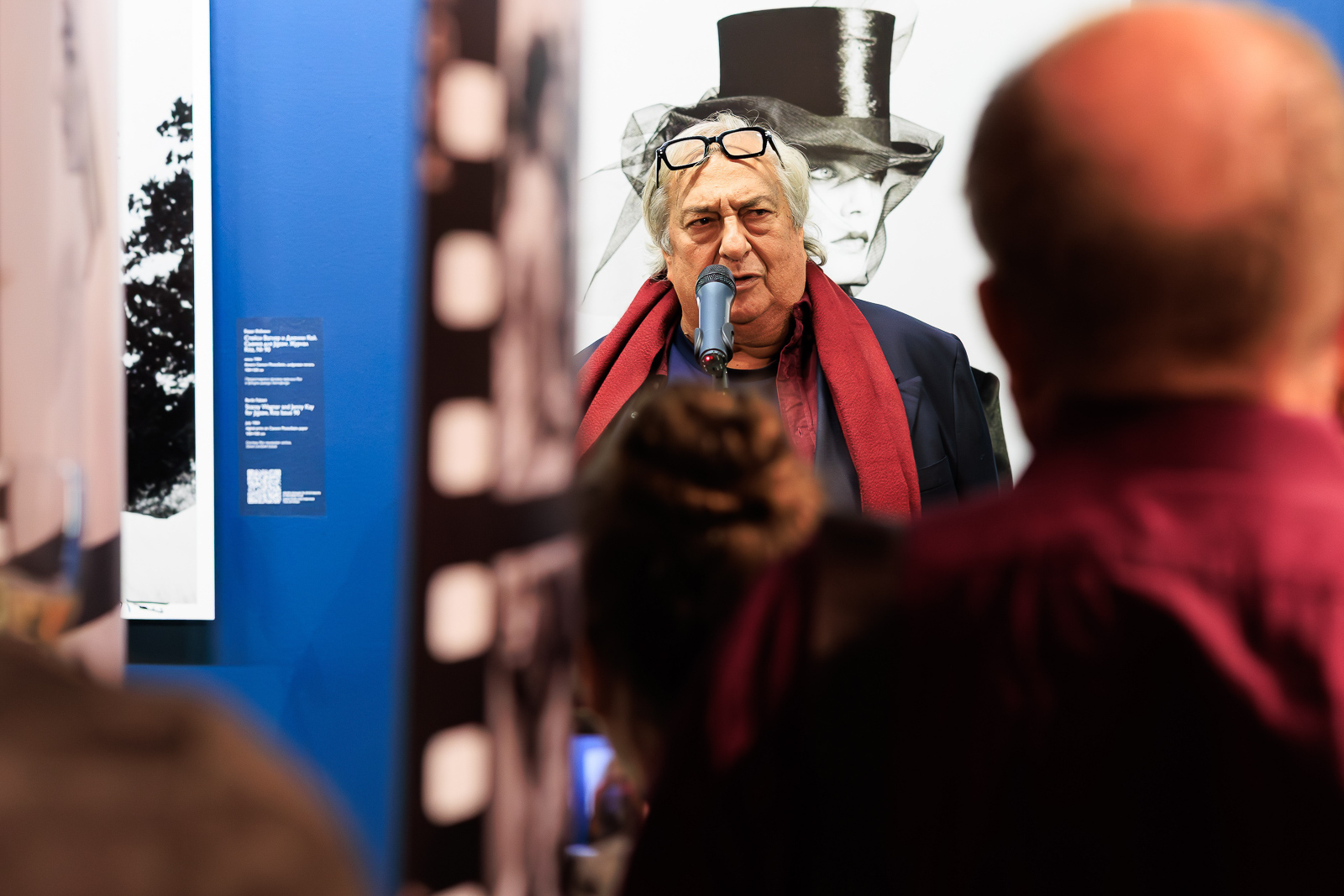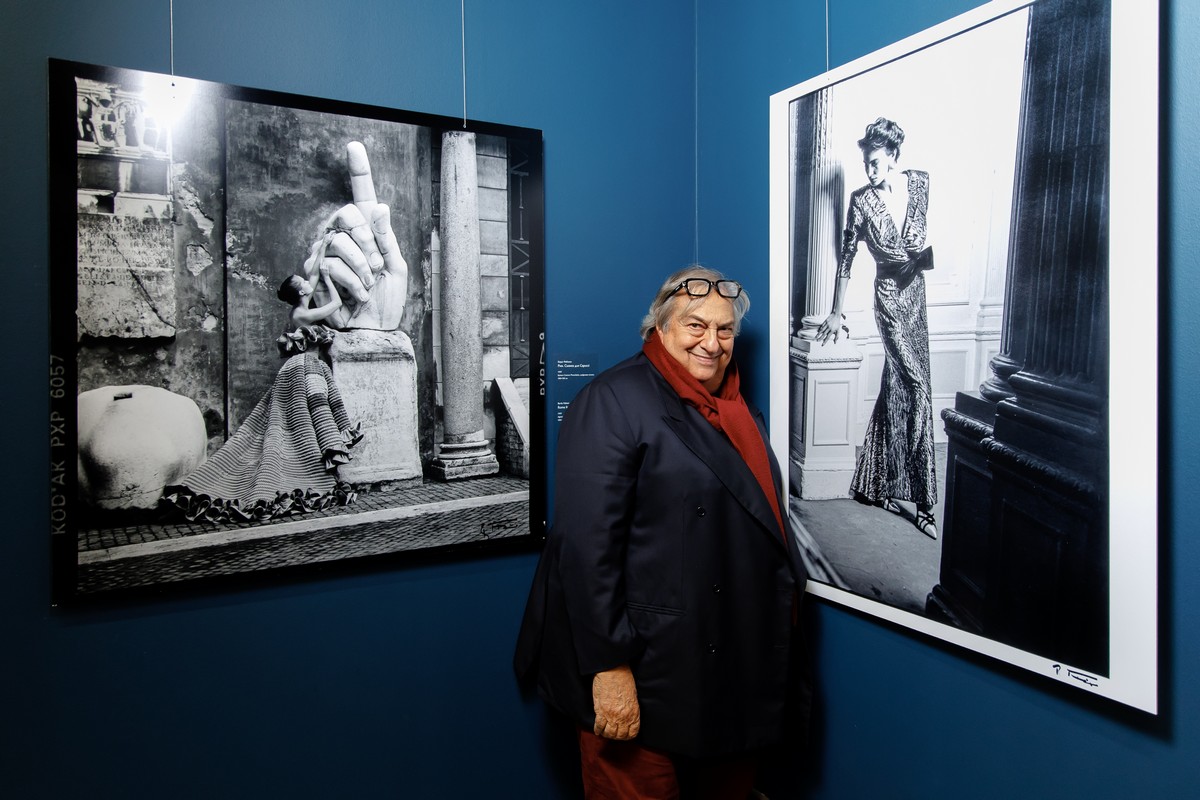
Bardo Fabiani
Memories of the Beautiful Past
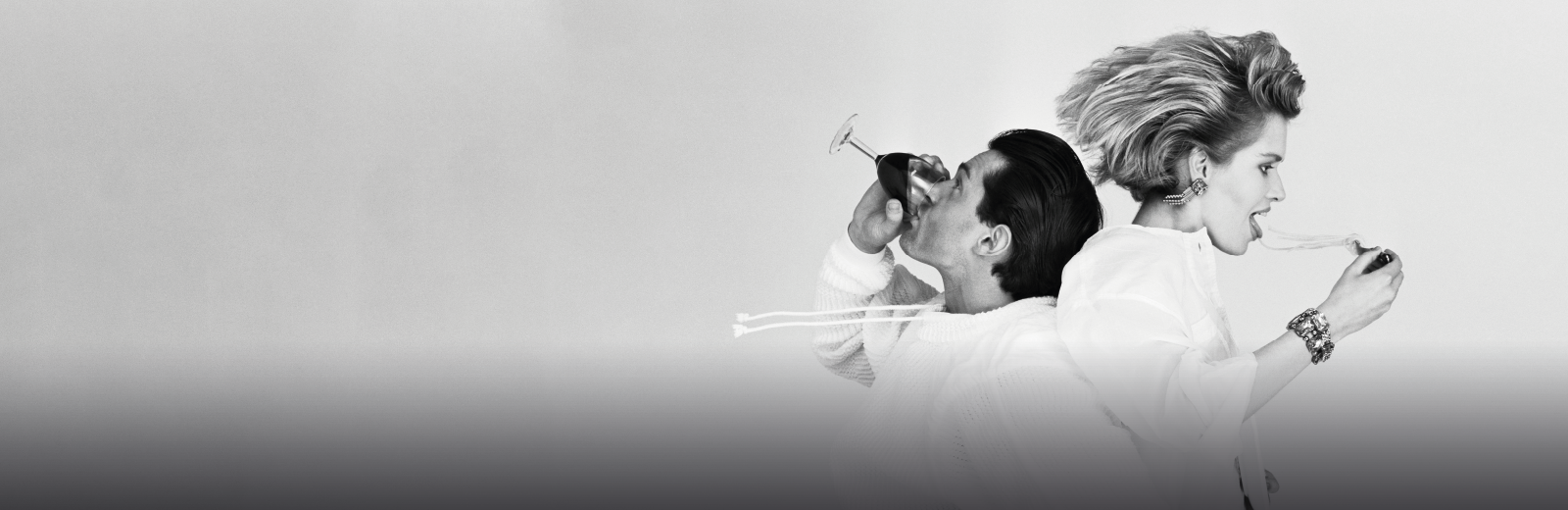
Erarta Museum of Contemporary Art presents an exhibition by the acclaimed Italian photographer Bardo Fabiani whose career spans more than 25 years with Vogue Italia in the halcyon days of the global fashion industry
-
Witness of the ‘big fashion’ era and creator of a new aesthetics expressed through photography
-
Portraits and commercial projects tracing two formative decades of international visual culture
-
Luxury and elegance of Old Europe meets the sensually charged mass culture of the 1980s
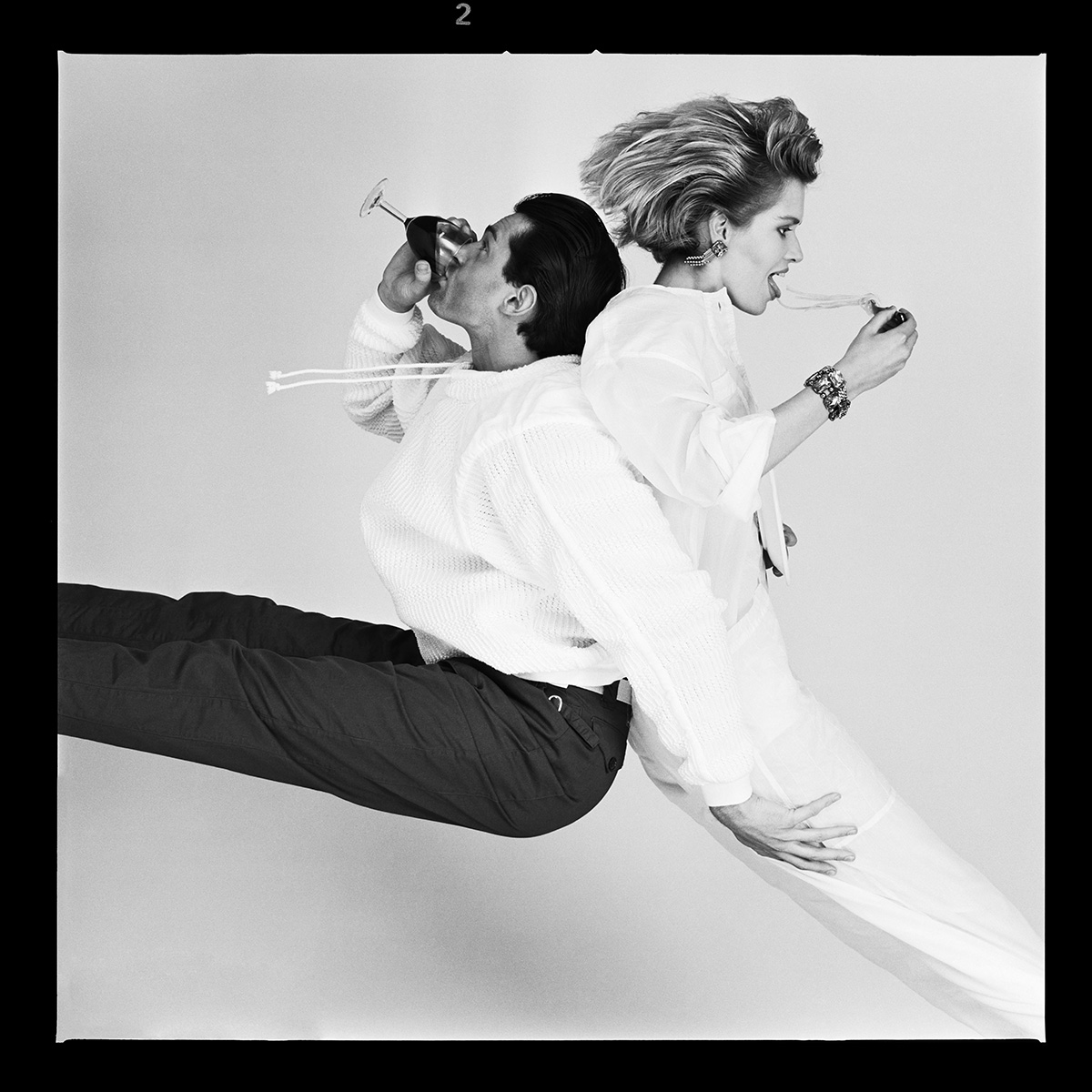
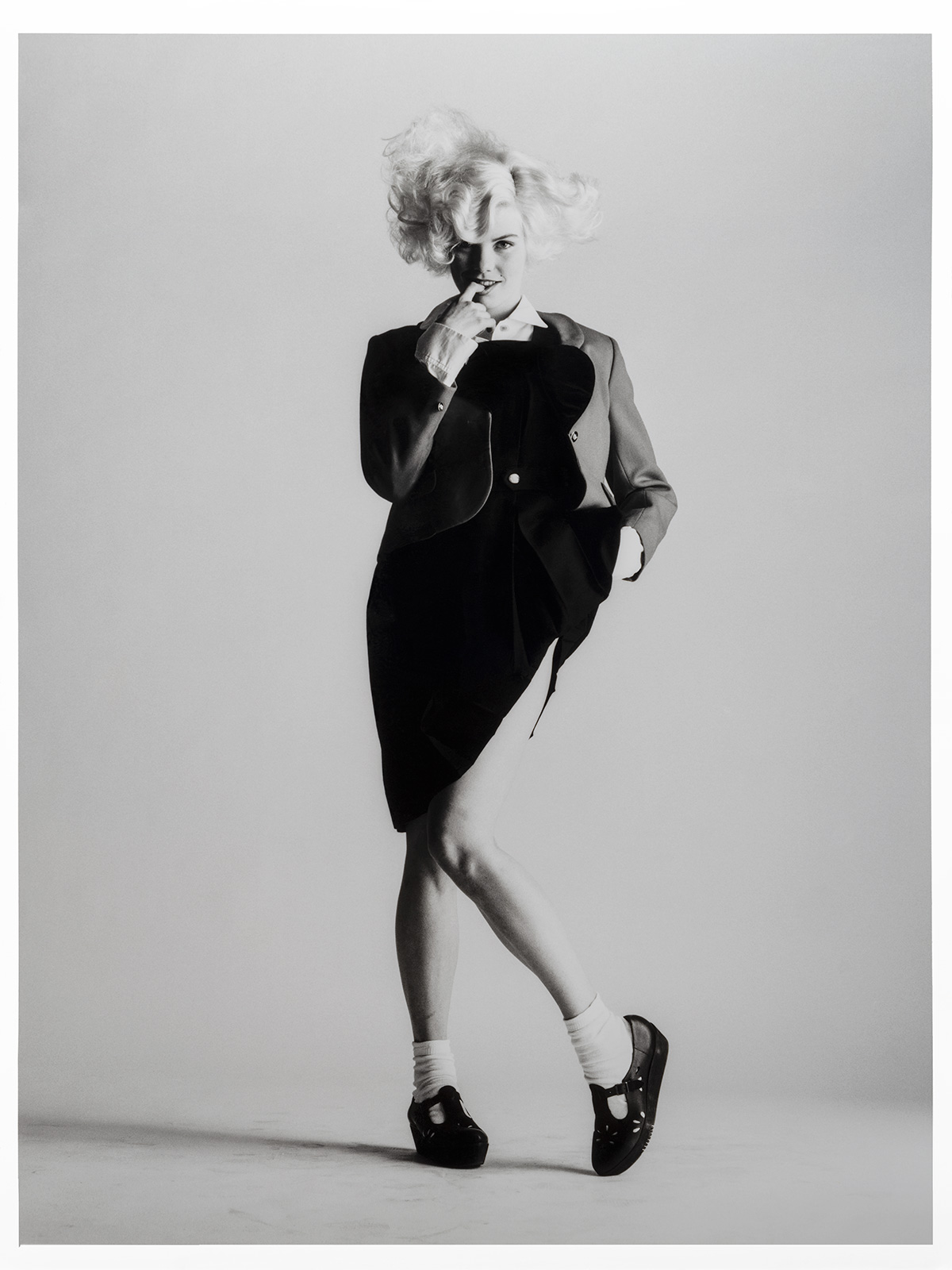
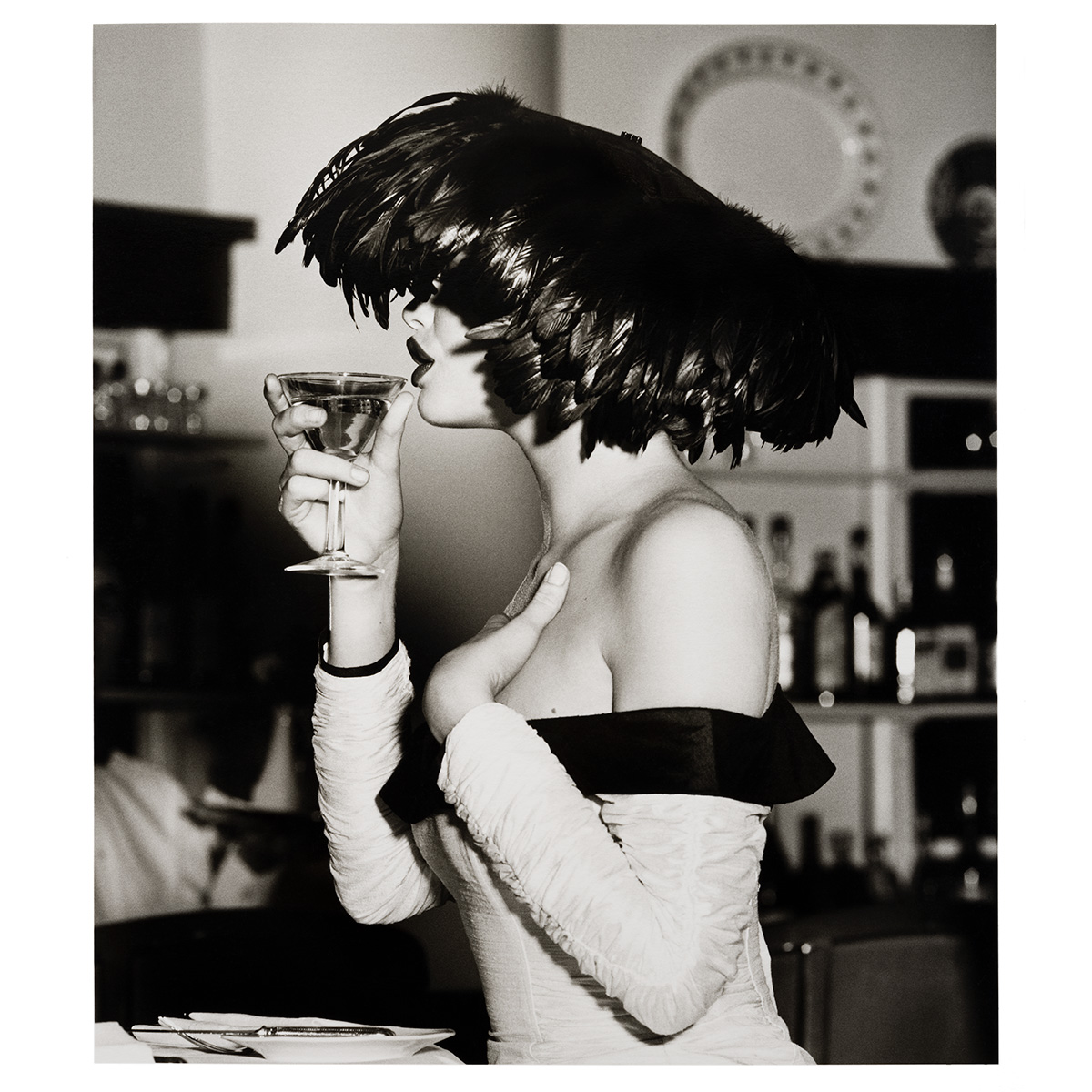
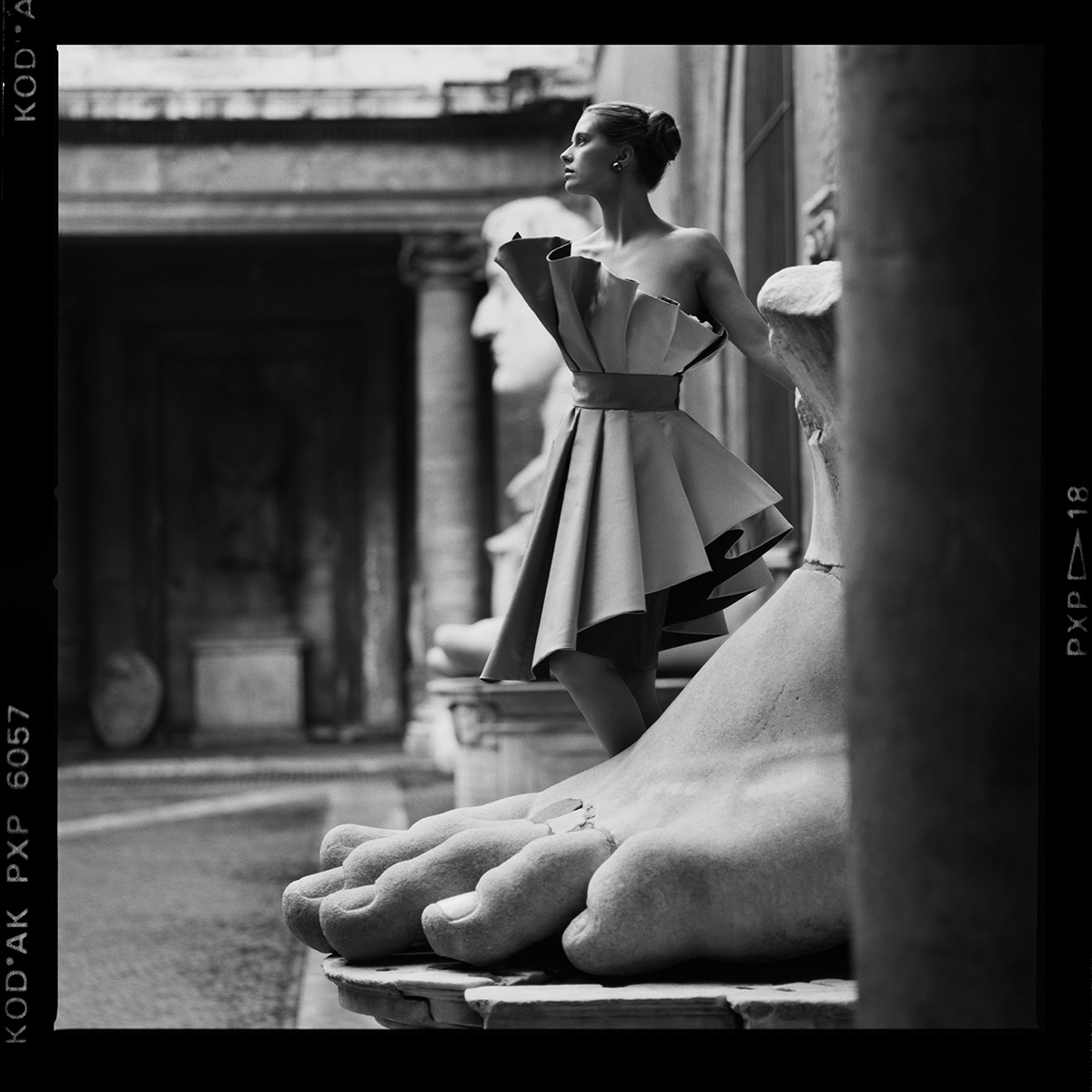
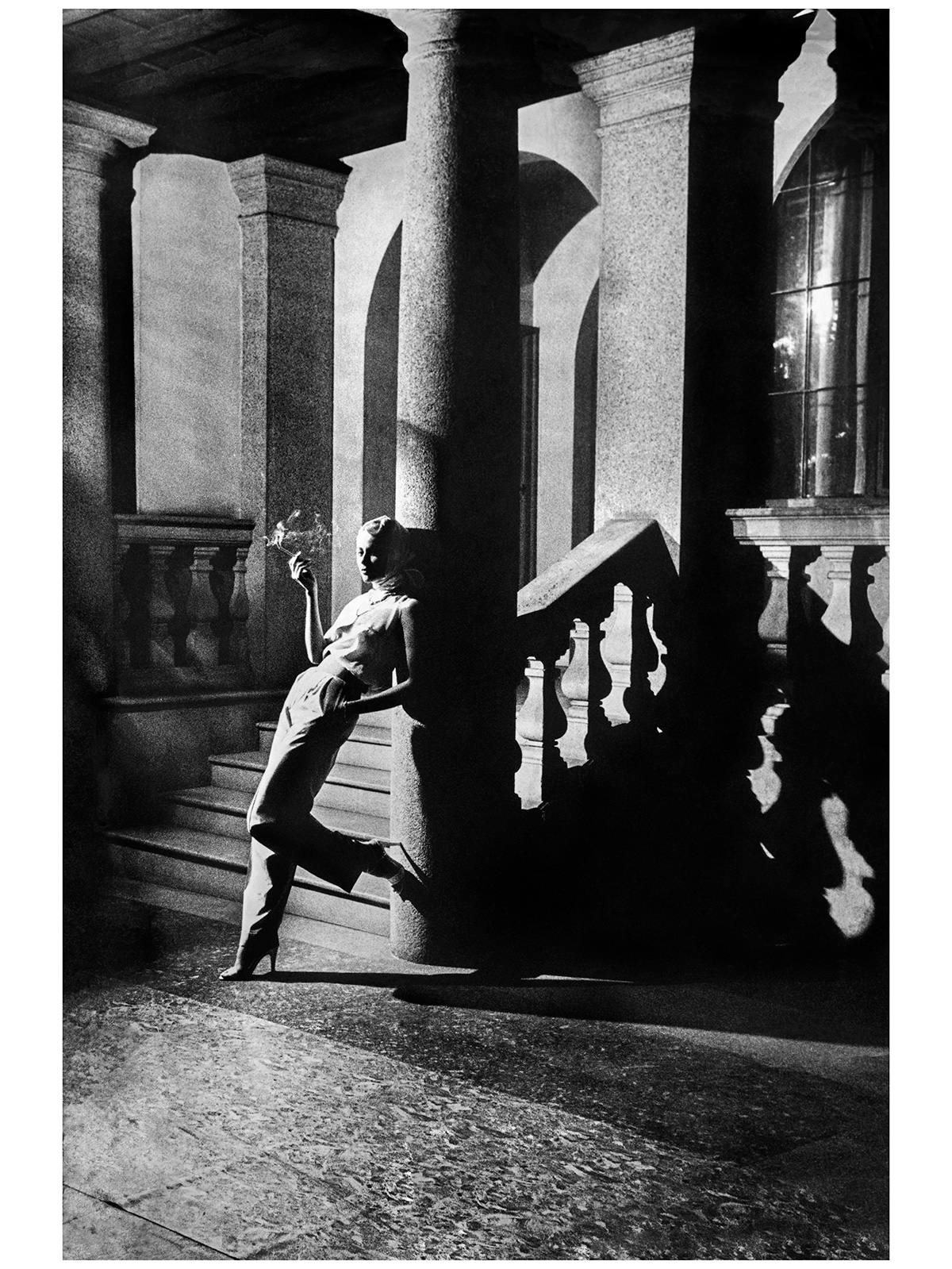
One of Italy’s most celebrated fashion photographers, Bardo Fabiani rose to prominence in a time when Italian brands and their creative spearheads largely set the international benchmark of style and elegance. For several decades, he worked with major designers, editors, and models who set pace of the European fashion in the second half of the 20th century.
Bardo contributed to Vogue Italia, Ritz Magazine, and other published media, and photographed such notable personalities as Rupert Everett, Gérard Depardieu, Linda Evangelista, Milla Jovovich, Giorgio Armani, Roberto Cavalli, Christian Lacroix, and Donald Sutherland, as well as many other key figures in the international artistic and cultural scene. A special place in his oeuvre is occupied by the product of his creative partnership with Vogue editor Anna Piaggi: their iconic DPs (double-page spreads) left an indelible mark in the history of fashion journalism.
Bardo Fabiani’s works blend concise compositions with profound narratives and boast a strong cinematic dimension. Treating professional equipment as only a tool, he always believed that what really mattered for a good shot was the keen eye of the photographer. Female portraits feature prominently in his creative output. Even while shooting for glossy magazines, Fabiani always foregrounded the real person over an impeccable image. Valuing the personal journey, character, and inner energy of the model, he praised their singular role in making every shot vivid and memorable. To him, each photograph is an attempt to look into and reveal the personality behind the outward persona, and this inquiring gaze remains essential to his approach.
Fabiani’s family history is connected to Russia and rooted in Russian culture. His grandmother was born into an aristocratic Moscow family and belonged to a circle associated with Wassily Kandinsky. During the late Soviet era, as Russian fashion increasingly became an international presence, he collaborated with Vyacheslav Zaitsev.
Bardo Fabiani’s Erarta show will feature portraits alongside commercial photographs. The visitors will discover the photographer’s unparalleled vision encompassing several decades of global visual culture. This is a chance to appreciate the legacy of a master whose works channel the spirit of the ‘big fashion’ era while continuing to have an impact on the contemporary mass culture.
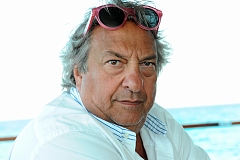
Bardo Fabiani Colonna di Cesarò was born in 1953 into one of the most influential families of the Italian Alta Moda – the designer couple of Simonetta Colonna di Cesarò, known mononymously as Simonetta, and Alberto Fabiani. Raised in a nourishing environment that effortlessly combined art, fashion, European intellectualism, and high society traditions, he received his first camera at the age of seven.
In 1971, following graduation from the prestigious Institut Le Rosey in Switzerland, he moved to London, becoming assistant to the acclaimed photographer David Bailey at the British Vogue in 1972. It was there that he formulated the defining principle of his work: photography is less about technical prowess and more about creative vision and sense of the moment.
Fabiani’s first job assignments were for the Daily Telegraph’s fashion section and The Sunday Times Magazine. Around this time, he also travelled to Tunisia, Rome and other important cultural hubs and worked on the sets of Fellini’s Casanova and Franco Zeffirelli’s Jesus of Nazareth, experiencing first-hand the world of international cinema.
In 1975, Bardo relocated to Milano, taking up a job with Vogue Italia. Upon his return to London, he opened a studio on Glebe Place and started collaborating with some of the most important British published media, including Ritz Magazine, as well as shooting advertising campaigns for the biggest UK fashion brands and stores, such as Selfridges, Debenhams, Marks & Spencer, and Burberry.