Erarta Museum of Contemporary Art presents the first solo exhibition by Victor Ponomarenko, an artist who employs the visual language of 17th-century art to address various issues of the present day
-
An irony-tinged dialogue of two seemingly incongruous cultural traditions
-
Whimsical scenes styled as classical Dutch landscapes
- Old master methods applied to the most mundane contemporary objects
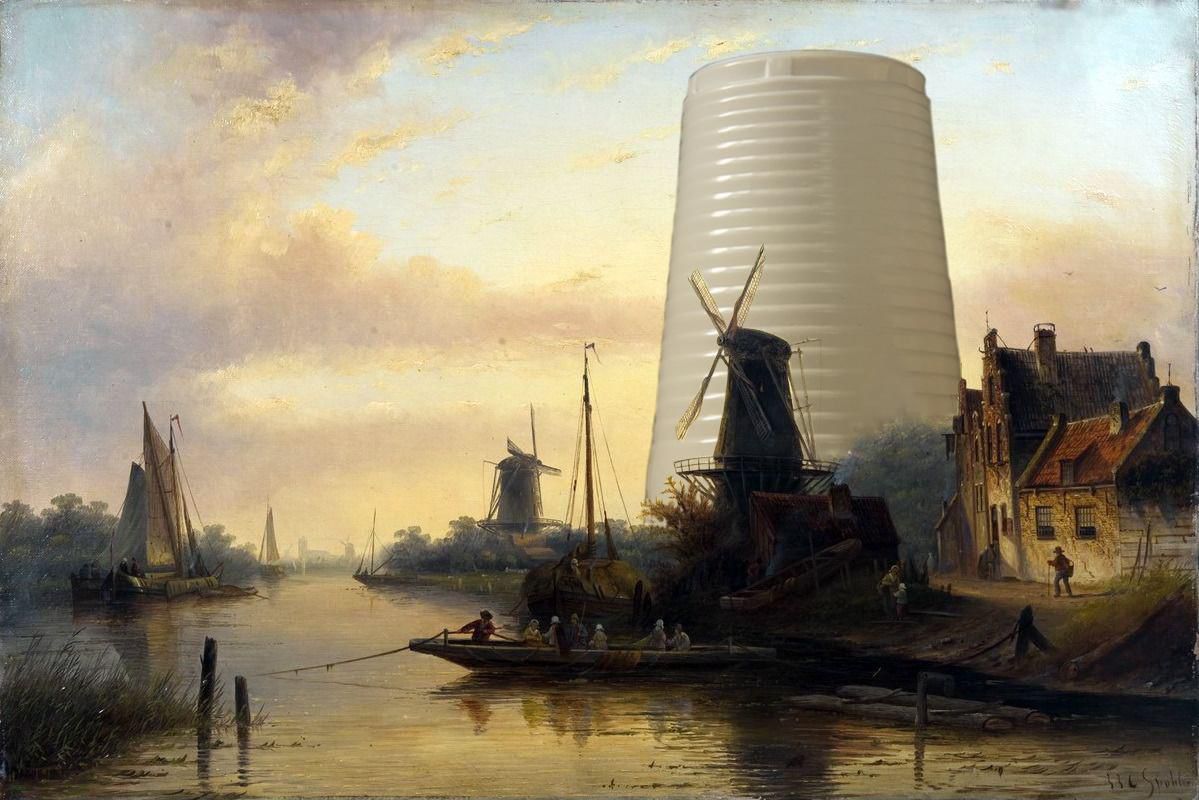
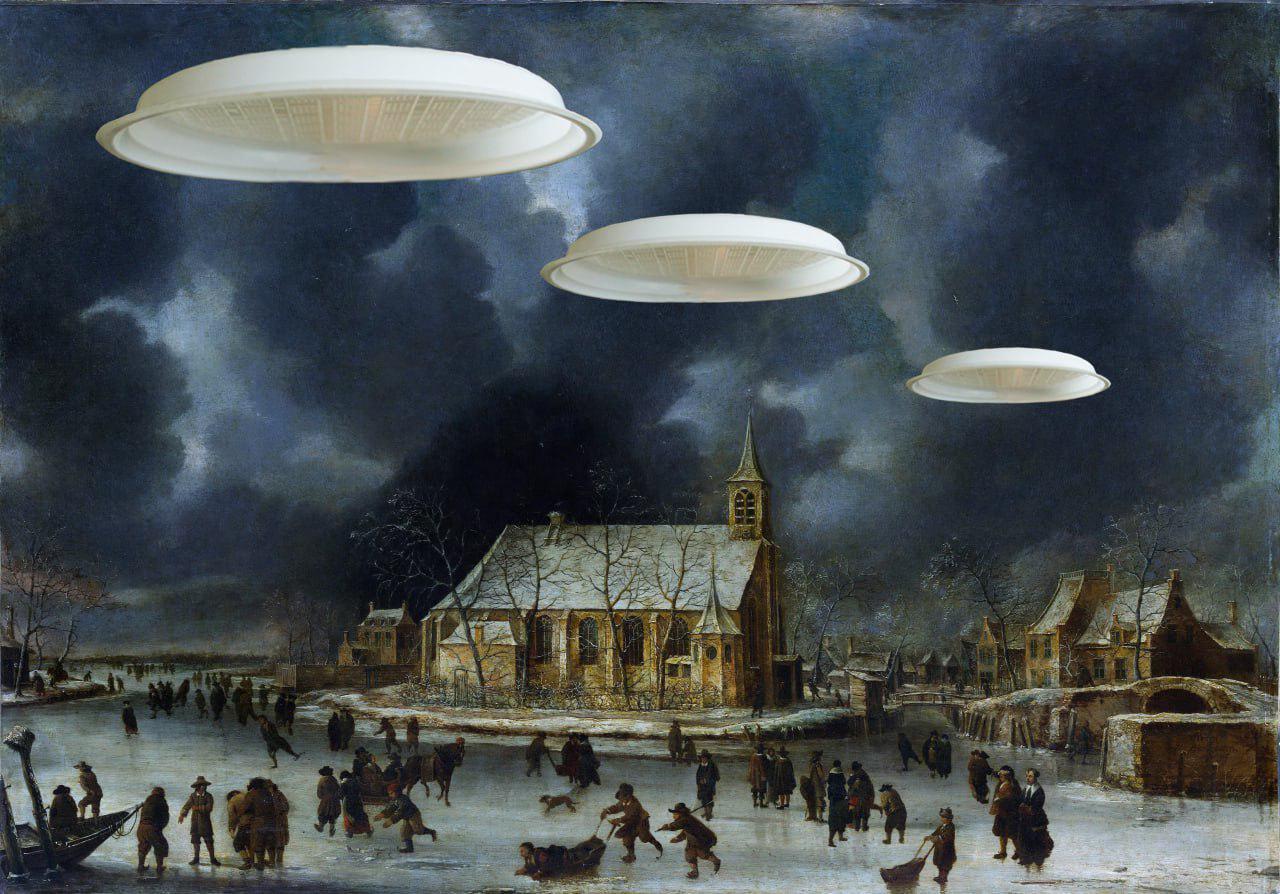
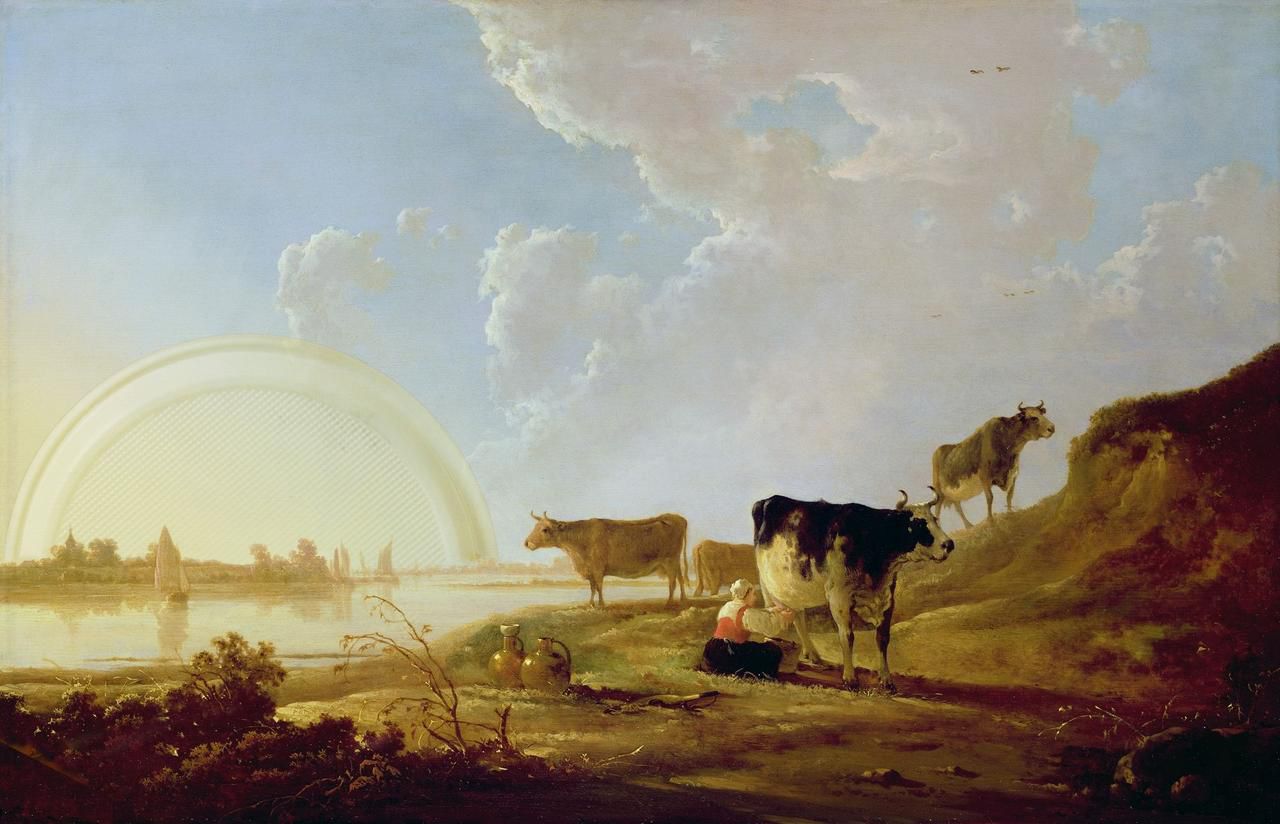
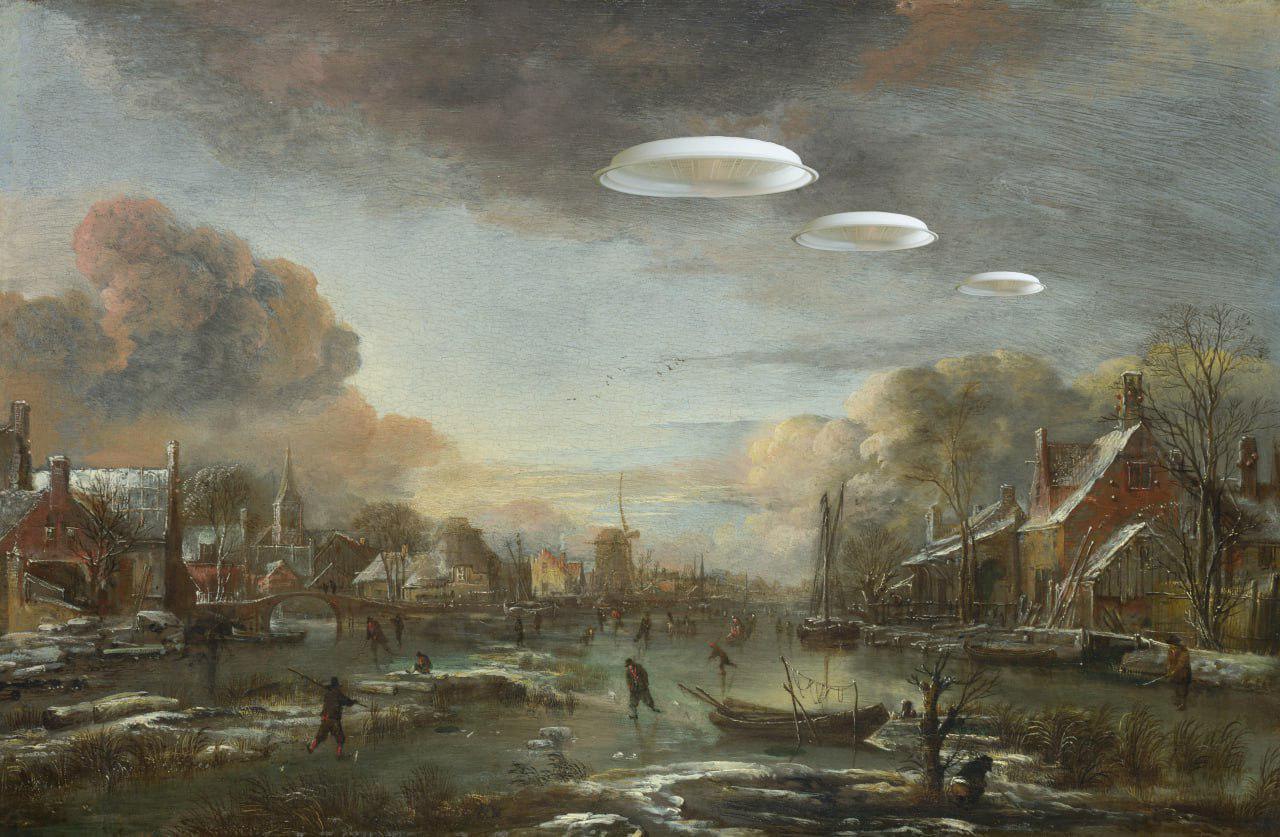
Victor Ponomarenko discovered his trademark method early on, while studying at the Ilya Repin St. Petersburg Academy of Arts: it was then that the artist began styling modern paraphernalia and fast food as thought-provoking Dutch still lifes of the vanitas (Latin for ‘vanity’) genre.
Traditional vanitas paintings are allegories symbolising transience of life and certainty of death – ideas typically illustrated by withering flowers, rotting fruit, human skulls, and extinguished candles. The artist’s take on the subject matter is indeed ironic: plastic plates are certain to outlive their proprietor, while the modern preservative-stuffed food takes much longer to decompose than the 17th-century fare did.
Ponomarenko’s facetious still lifes caught viewers’ fancy, prompting the painter to elaborate on the theme. His more recent works envisage junk food and plastic spilling over from trash-ridden Earth to colonise the Moon and Mars. This contrivance might seem like something straight out of a sci-fi short story, but in fact it is not that far-fetched. Indeed, some of the first objects that humans deposited on the Moon were the bags of waste and trash that Neil Armstrong and Buzz Aldrin had left behind before embarking on their return flight to Earth.
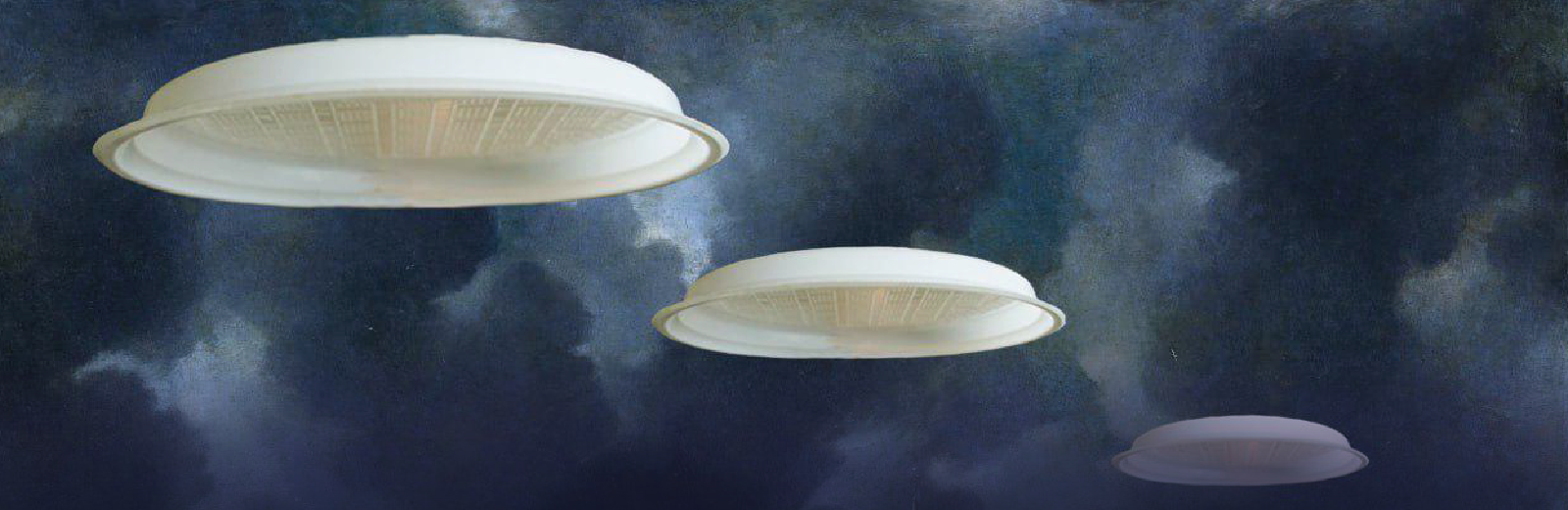
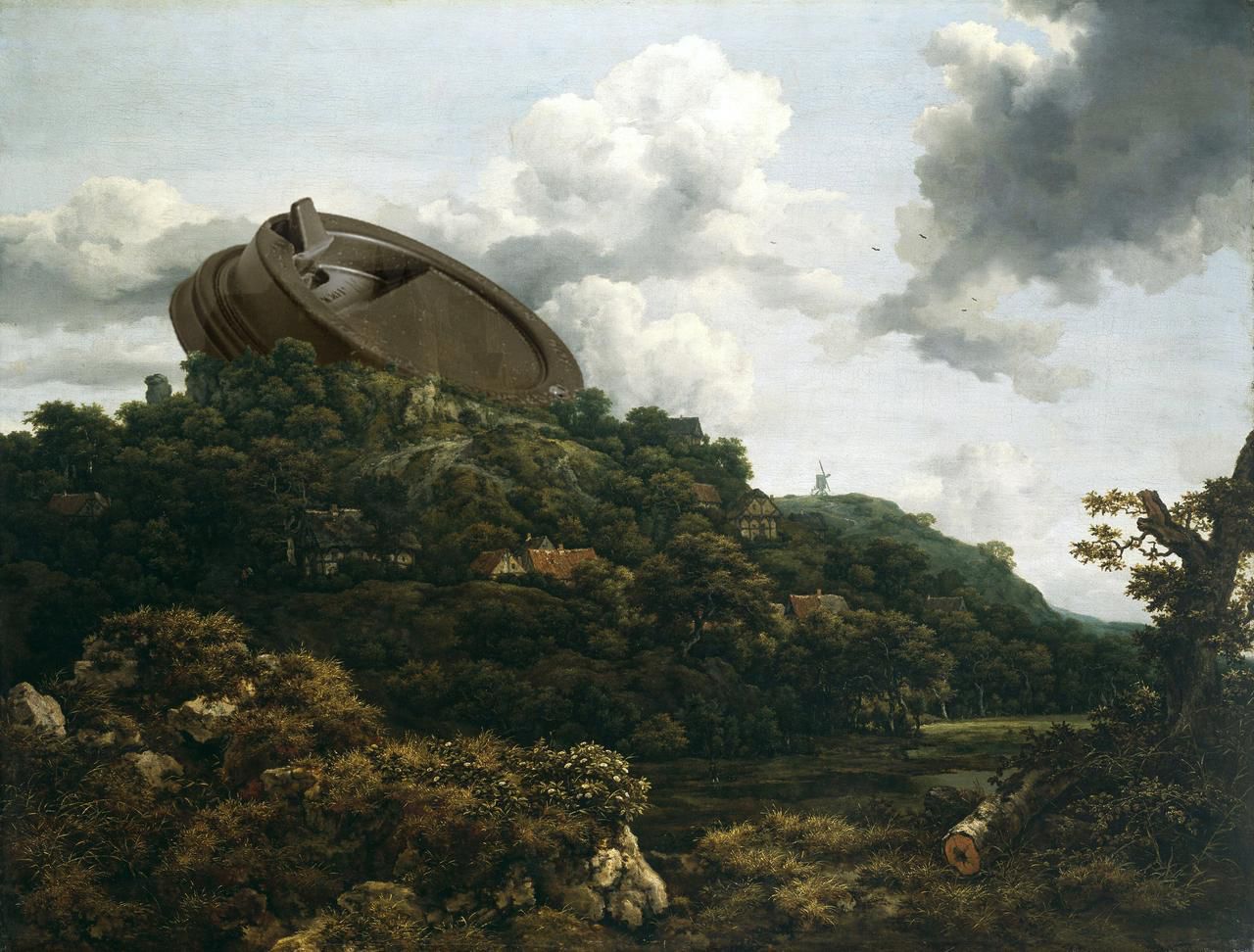
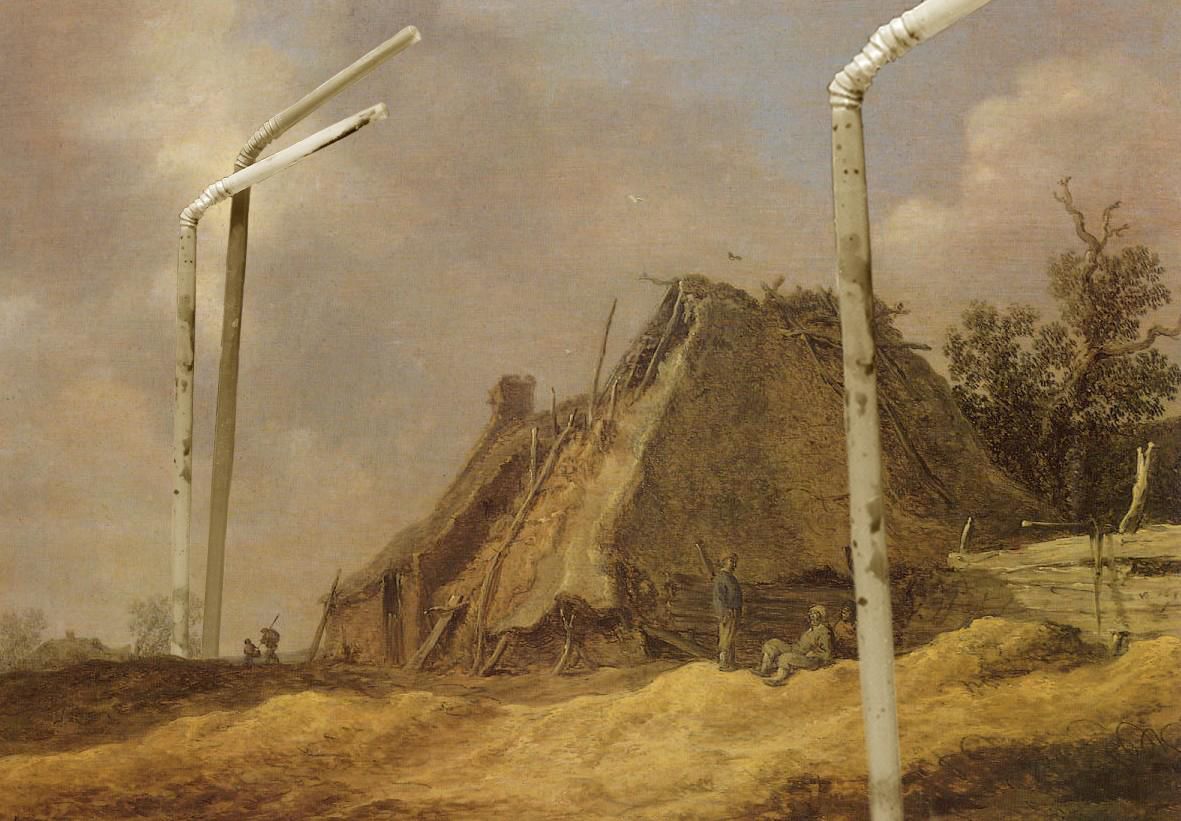
For his first solo show at Erarta, the artist started a brand new project. The Observers series sees flying saucers from the future (quite literally, of the disposable plastic variety) floating above and surveying the rural life of 17th-century Holland, alongside other modern-day items prone to time travel.
Victor Ponomarenko’s remarkable painterly skill allows him to seamlessly blend two very distant cultural traditions, causing his imaginary Dutch landscapes to look very convincing, even if rather tongue-in-cheek.