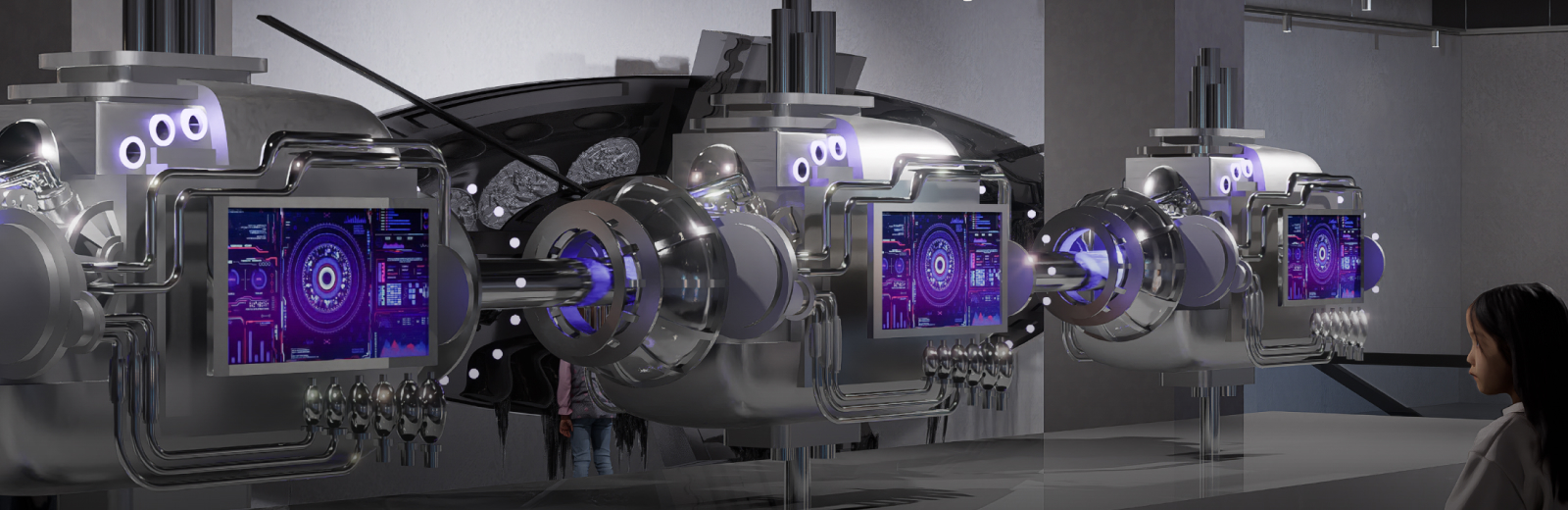
Erarta Museum of Contemporary Art presented Point of Origin by Unus Safardiar – an immersive three-dimensional fantasy exploring the role of the human creator in the time of omnipotent technology
-
An artist whose monumental sculptures and installations grace museum and private collections and public spaces across the world
-
Chrome-plated bronze, polymer glass, video art, and lighting effects fused into high-tech sculptures
-
Artefacts of a post-apocalyptic future in which disaster marks the point of inception of a new world
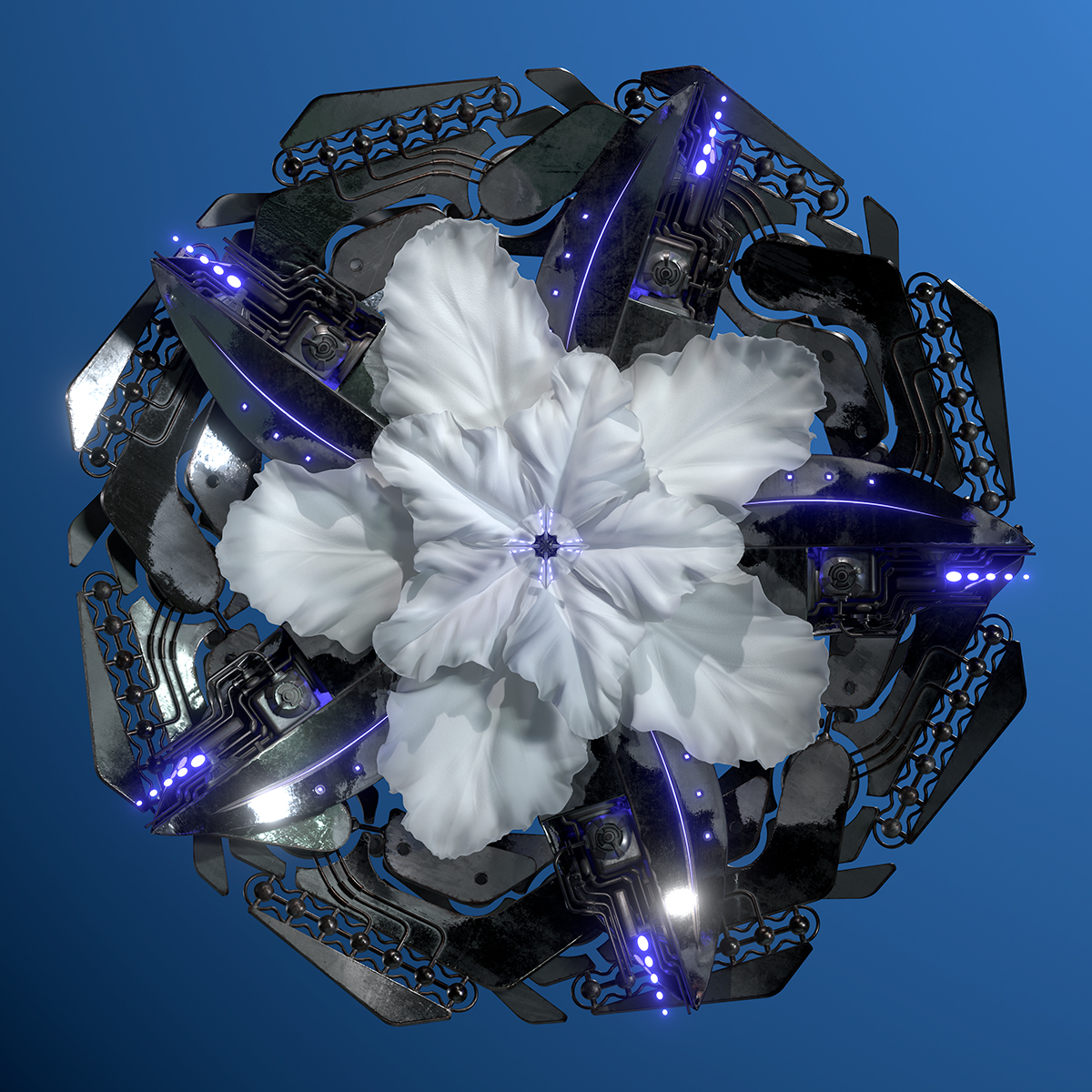
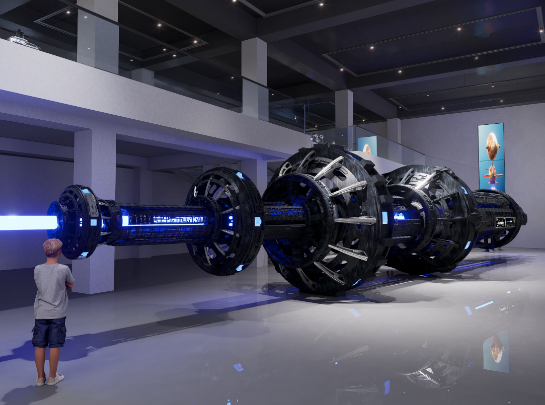
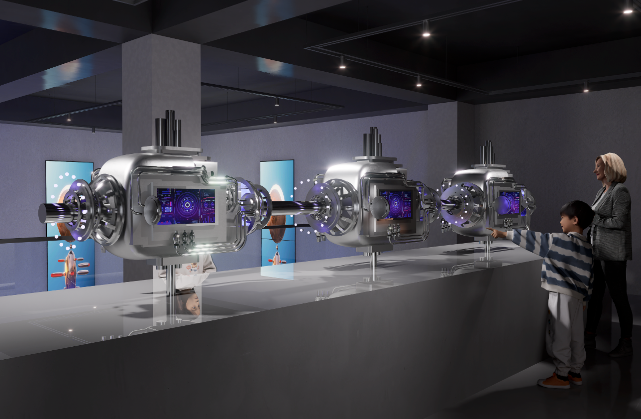
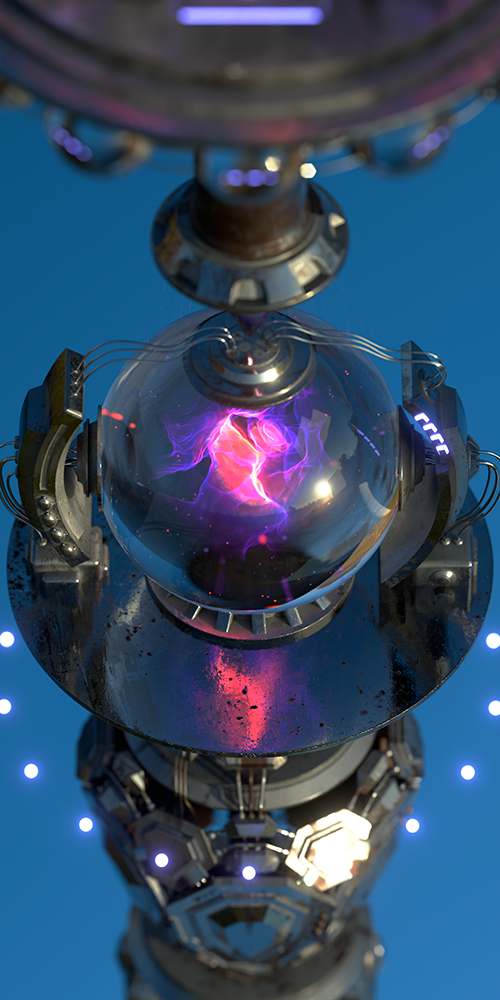
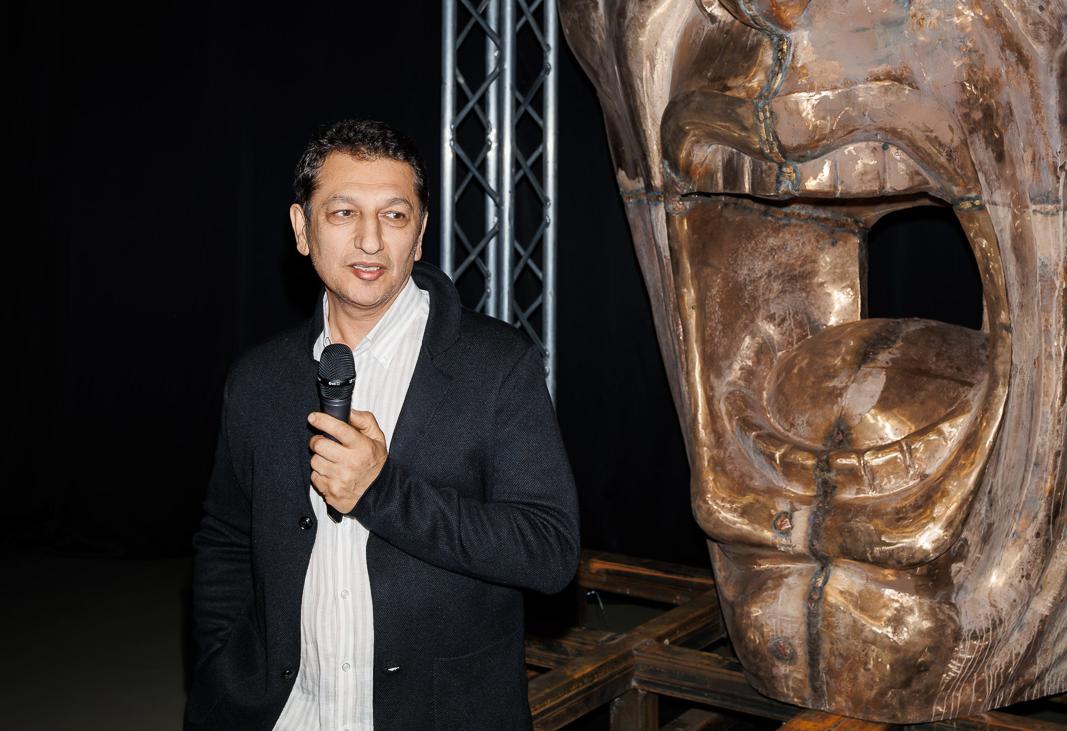
Unus Safardiar was born in Samarkand, a place where creativity and craftsmanship constitute both a centuries-old artistic legacy and an integral part of life, which can be the reason behind the pronounced materiality and sophisticated artisanship of his works. At the same time, his art is electrified with impulses of the present moment and a quest for a new kind of spatial sensibility. Fusing video art with chrome-plated bronze, polymer glass, and lighting effects, the artist creates complex pieces one can justly describe as the sculpture of the future.
Safardiar’s creations present technology not as a packaged consumer product, but as a continuous action-in-progress akin to the evolution of living matter. Rich as they are in detail and unusual combinations of materials, his artworks create the impression of being of natural origin. Taking shape before our eyes is a new symbiotic system in which the mechanical force interacts with the natural, destructive and yet simultaneously life-giving.
Here, a high-tech object is hardly a harmless phenomenon under human command. For instance, one of the exhibits is a charred apparatus that seems to have spelled doom for some previous, evidently highly evolved, civilisation. At the same time, it also acts as the source of energy, nourishing the emergence of new life manifested by fresh sprouts breaking through its seams. The plants incorporated into sculptures and recognised as fragments of the collapsed world do not indicate that the artist laments the man-induced loss of an ecosystem. For him, flowers possess a timeless aesthetic value as a thing of beauty that must be preserved precisely as the point of origin for a new universe. This puts one in mind of the traditional mythopoetic worldview. If this world emerged at some point, then one day it will come to an end. And, if it ends, something new is bound to begin.
Despite their futuristic appearance, Unus Safardiar’s works retain their human aspect, betraying the master touch and emotion of a creator feeling responsible for his creation. Warning humankind against becoming the passive subject of technology, the artist reminds us of the importance of preserving our creativity. After all, if one is not destined to be a god presiding over the material realm, why not create new worlds within it.